
James Harrison is a man with almost super human strength and resistance. As a former linebacker, Harrison was a five-time Pro Bowl selection, with two super bowl wins under his belt with the Pittsburgh Steelers.
Harrison has long been looked up to not only as a football star, but as a fitness guru due to his incredible body and expertise in the gym. In fact, 1.3 million people continue to follow Harrison on Instagram alone, as he gives workout advice and shows others how to achieve his extraordinary calibre of physique.
The former linebacker isn’t shy about the supplements he uses to augment his workout and reach his maximum fitness potential, either. We’ve tracked down Harrison’s 6 favourite, daily supplements so you can train like the best, and maybe one day, be the best!
So what kind of supplements does James Harrison use? We’ve broken it down for you below.
James Harrison Supplements

OPTIMUM EFX Green Fuel, All Natural Balanced Superfood Blend, 10+ Servings of Fruits and Vegetables, Recovery, Alkalize, Antioxidant Protection, Keto...
- 68 Superfoods: Highly concentrated, special blend of seven proprietary formulas containing 10+ servings of natural and organic fruits and vegetables in one scoop to improve health
- Optimizes Performance: Ensures proper pH levels by alkalizing the body with essential nutrients, increases energy, and supports mental clarity and joint health


OPTIMUM EFX Red 54, All Natural Balanced Superfood Energy Blend, 10+ Servings of Fruits and Vegetables, Antioxidant Protection, Immune Function,...
- 54 Superfoods: Highly concentrated, balanced energy blend with 10+ servings of fruits and vegetables in one scoop to promote a balanced body mentally and physically
- Optimizes Performance: Supports joint function, mobility, rejuvenation, recovery, immune function, and energy levels
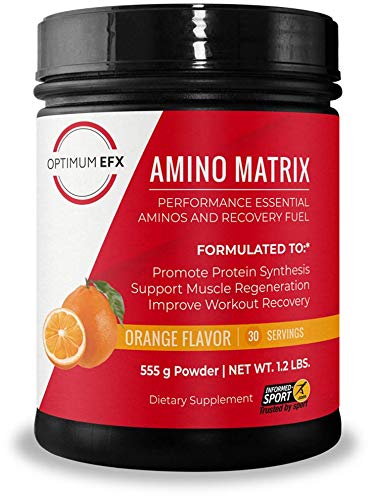
OPTIMUM EFX Amino Matrix, Performance Essential Aminos and Recovery Fuel, Intra Workout, Vegan, Informed Sport Certified, Zero Carbs, Zero Stimulants,...
- Maximizes Performance: Increases exercise capacity and sustains endurance
- Improves Recovery: A full spectrum of essential amino acids decreases muscle breakdown, promotes protein synthesis, and supports muscle regeneration
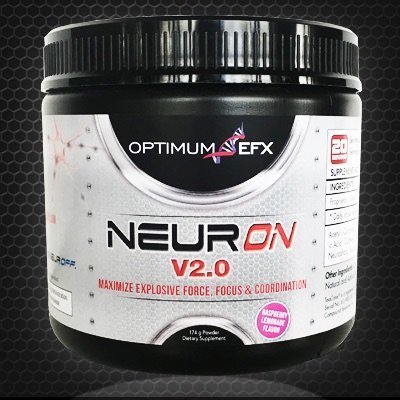
NEURON V2.0 - 174g - Neural Drive Pre-workout Powder - Maximize Explosive Force, Energy, Focus and Coordination w/Alpha GPC- OPTIMUM...
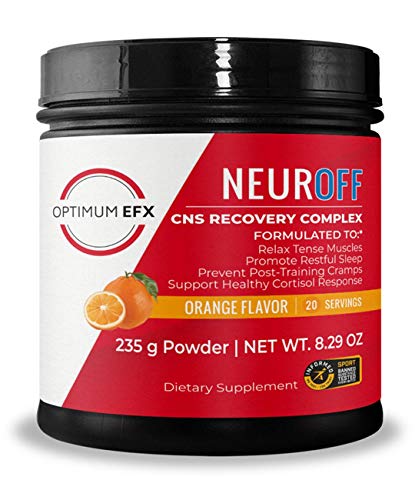
NEUROFF V1.1 - 186g powder - Relax, Regenerate and Restore - Post workout Calming and Recovery formula w/ KSM-66® Ashwagandha...
- Speed Recovery: Return to a relaxed, calm, and positive state mentally and physically to accelerate the recovery process.
- Promote Restful Sleep: Eliminate central nervous system over excitement and muscular hyper-tonicity to reach a prompt and deep sleep.
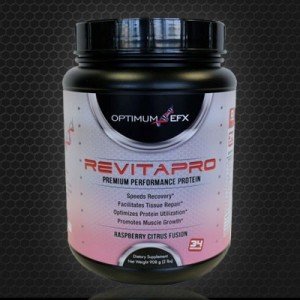
REVITAPRO - Premium Performance Protein - 100% WHEY ISOLATE, Naturally Sweetened, NO Artificial Colors or Sweeteners (Raspberry Citrus Fusion)
Source: https://deebo92.com/
If you’re trying to sculpt your muscles and get ripped like Harrison, try incorporating these fantastic supplements into your daily diet! With this combination of pre-workout supplements, post-workout supplements, and superfood vitamins, you can get your body into the best shape of your life. Just don’t forget–these supplements are meant to be used on top of a healthy diet and regular exercise!
back to menu ↑James Harrison Diet
Harrison mostly eats organic vegetables and food that’s packed with lots of healthy fibers. In general, his diet is high in healthy fats and proteins and does not leave room for many carbs. He also avoids dairy, iodized salts, gluten, caffeine, nightshades (tomatoes, potatoes, bell peppers, eggplants, etc.), and white sugar.
Harrison also mostly obtains from alcohol, and avoids processed foods, particularly when trying to recover from a heavy workout. Even Harrison’s supplements are organic and natural.
While Harrison hasn’t disclosed an exact diet plan, his diet is clear: clean, organic, natural foods that mostly revolve around produce, high fiber foods, and healthy fats (like avocados). This means lots of vegetables like carrots, brussel sprouts, and broccoli, as well as legumes like lentils and black beans, and fruits like avocados, apples, and bananas.
Image Credit: “LB James Harrison” by Navin75 is licensed under CC BY-SA 2.0